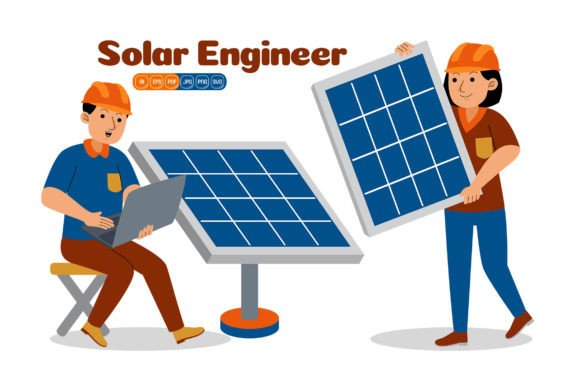
The Solar Engineering Profession: A Guide for Men and Women
The field of solar engineering represents a critical and growing segment of the renewable energy industry. Professionals in this domain, both men and women, design, analyze, implement, and maintain systems that convert sunlight into usable energy. This encompasses photovoltaic (PV) panels for electricity, solar thermal systems for heating, and the integration of these technologies into residential, commercial, and utility-scale projects. The role combines principles from electrical, mechanical, and civil engineering with a focus on sustainability and innovative technology.
Core Interests and Motivations
Individuals might be drawn to the man and woman solar engineer profession for several compelling reasons. A primary motivator is the desire to contribute directly to the transition toward clean energy and combat climate change. This profession offers a tangible way to apply technical skills to an environmentally positive outcome. The sector is also characterized by rapid technological advancement and innovation, appealing to those who enjoy working on cutting-edge solutions. Furthermore, strong market growth driven by policy, economics, and public demand typically translates into robust career prospects and job stability for qualified solar engineers.
Key Benefits and Professional Rewards
Beyond the overarching mission of sustainability, the career offers specific advantages. Solar engineers often engage in multidisciplinary project work, providing variety and the opportunity to see projects from conception to completion. The profession can offer competitive compensation, especially as expertise and experience grow. There is also a sense of community and shared purpose within the industry, collaborating with installers, policymakers, researchers, and clients to achieve common energy goals.
Important Considerations and Tradeoffs
While rewarding, pursuing a career as a solar engineer requires careful consideration of certain tradeoffs. The educational pathway typically demands a bachelor’s degree in engineering, often with further specialization through coursework or certifications. This requires a significant investment in time and resources. The work itself can involve a mix of office-based design and analysis alongside site visits, which may include working in various weather conditions and navigating physical installations.
Professionals must stay abreast of constantly evolving technologies, codes, and regulations, necessitating a commitment to continuous learning. Market dynamics can also be influenced by policy changes and subsidy structures, which may introduce elements of volatility in certain regions or project types. Balancing the theoretical design with practical, cost-effective, and compliant solutions is a daily challenge that defines the role.
Expectations for Daily Work and Career Path
A solar engineer’s responsibilities are diverse. Common tasks include conducting site assessments and energy audits, performing detailed system modeling and financial analysis, creating electrical schematics and layout plans, selecting appropriate components, and ensuring designs meet all safety and regulatory standards. Collaboration is essential, interfacing with architects, utility companies, and construction teams. Career progression often leads from design roles into project management, systems engineering, consultancy, or specialization in areas like grid integration or storage solutions.
Situations Where This Profession is a Strong Fit
The man and woman solar engineer profession aligns well with individuals possessing a specific blend of interests and skills. It is a strong fit for those with a foundational aptitude in math and physics, coupled with a problem-solving mindset. People who are motivated by practical applications of technology for societal benefit will find the work meaningful. It suits those who enjoy both analytical desk work and occasional hands-on, project-based fieldwork. Individuals who thrive in interdisciplinary team environments and are adept at communicating technical concepts to non-technical stakeholders will excel.
Given the global push for decarbonization, this career path is particularly relevant for engineers seeking long-term industry growth and opportunities to work on international projects. It also offers avenues for entrepreneurship, such as starting a design consultancy or developing new solar products.
When Alternatives Might Be Worth Considering
While the solar engineering profession is vital, related alternatives may better suit some career goals. For those more interested in the broad policy, economic, or business aspects of renewable energy without deep technical design, roles in energy policy, project development, or sustainable finance might be preferable. Individuals passionate about hands-on installation and direct client interaction might find a career as a solar technician or installer more immediately satisfying.
For engineers drawn to renewable energy but seeking a focus on different technologies, professions in wind engineering, battery storage systems, or smart grid design offer similar challenges in other domains. Furthermore, within the broader electrical or mechanical engineering fields, many roles involve sustainable elements without being exclusively solar-focused, potentially offering a wider range of industry applications.
Practical Insights for Decision-Making
If you are evaluating this career path, begin by assessing your alignment with the core technical and motivational requirements. Seek out practical experience through internships, online courses in solar design, or volunteering with community solar projects to gain firsthand insight. Research the specific educational requirements and potential licensure needed in your region.
Network with current professionals, both men and women, in the solar engineering field to understand their daily realities and career trajectories. Consider the long-term outlook: are you prepared for ongoing education and potential geographic mobility to follow industry hubs? Finally, weigh your desire for specialization in a high-growth niche against the benefits of a broader engineering degree that offers more diversified career flexibility.
Ultimately, the decision to pursue the solar engineer profession hinges on a combination of technical interest, environmental passion, and career pragmatism. It is a path that demands specific expertise but rewards it with the opportunity to build a tangible, sustainable future.