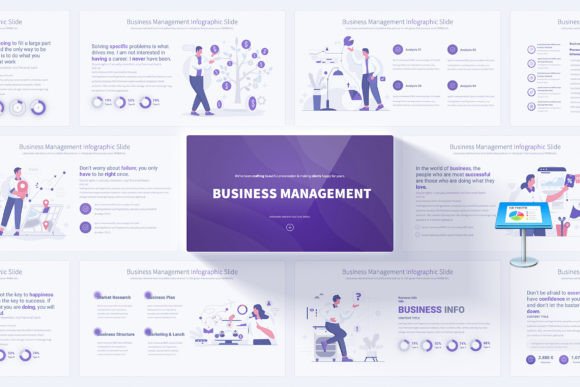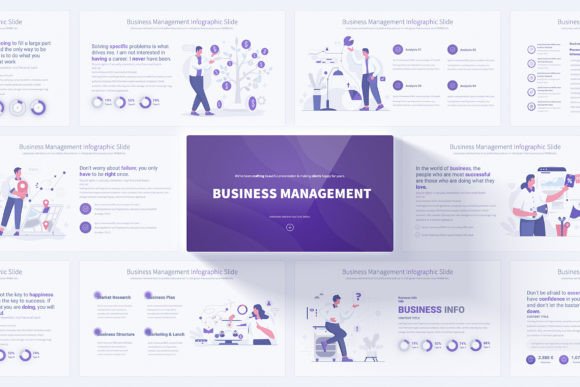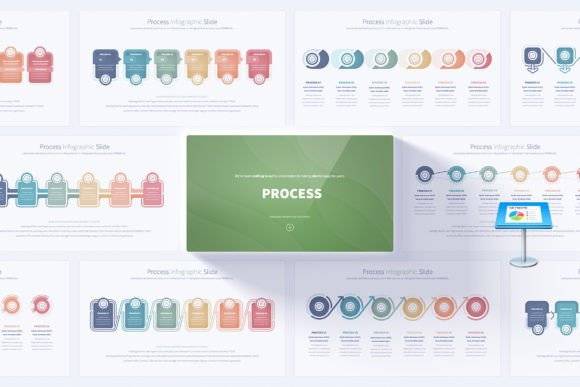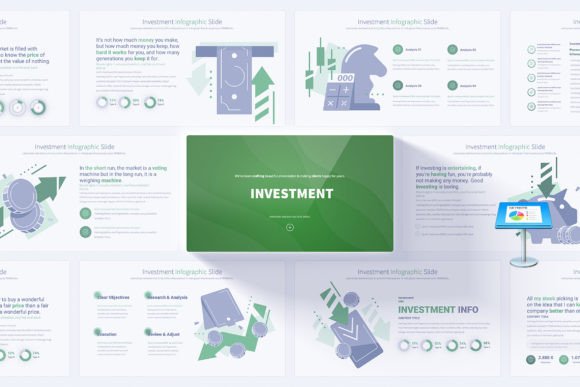
Understanding the Business and Technology Keynote Template
In the modern professional landscape, the ability to communicate complex ideas clearly and persuasively is paramount. Presentation tools are a critical component of this communication, serving as the bridge between information and audience understanding. A specific category of these tools is the pre-designed presentation template, which aims to provide a structured foundation for creating slides. The Business and Technology Keynote is one such template, designed as a comprehensive slide deck for professionals needing to present topics related to corporate strategy, tech innovation, and data-driven insights.
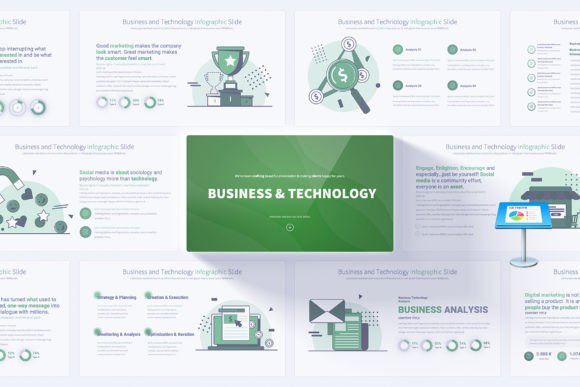
Essentially, the Business and Technology Keynote is a digital template package containing a set of slide layouts. It is built within presentation software ecosystems and offers a starting point rather than a finished product. The core offering includes a collection of unique slide designs, with a significant number of total variations, all centered around themes relevant to business and technological discourse. Its value proposition lies in reducing the initial time and design effort required to build a visually coherent presentation from scratch.
Key Characteristics and Potential Benefits
For individuals researching presentation solutions, understanding the specific features of a template like the Business and Technology Keynote is a fundamental step. The described package typically includes a multitude of slides derived from a smaller set of unique master layouts. This approach allows for consistency in design while providing numerous content arrangement options. The inclusion of multiple color variations on a light background offers some degree of aesthetic flexibility without requiring advanced graphic design skills.
The use of master slides for core design elements is a significant feature for many users. This means global changes to fonts, colors, or logos can be applied across many slides simultaneously, which promotes efficiency. Furthermore, elements described as handmade infographics and editable vector icons are intended to help users visualize data and concepts without needing to create custom illustrations. The provision of documentation suggests an aim towards user-friendliness, guiding individuals through the customization process.
The potential benefits for a user considering the Business and Technology Keynote are primarily practical. The foremost advantage is time savings. For professionals who are not designers, assembling a visually professional presentation can be a considerable hurdle. A template mitigates this by providing a pre-approved visual framework. Secondly, it offers a degree of quality assurance. The designs are presumably created to meet certain aesthetic and readability standards, which can elevate a presentation compared to a hastily made default software slide. Finally, the focus on business and technology imagery and data visualization layouts can make it easier to present industry-specific content appropriately.
Evaluating Fit and Relevant Considerations
Determining whether the Business and Technology Keynote aligns with your needs requires a clear assessment of your situation, resources, and goals. This template may be a strong fit for several specific scenarios.
First, it could suit professionals who need to produce polished presentations regularly but have limited time or graphic design expertise. Consultants, product managers, strategy analysts, or technology evangelists who frequently report to stakeholders might find the structured layouts efficient. Second, teams requiring brand consistency across multiple presentations might benefit from the master slide functionality, allowing a central designer to set a theme that others can safely populate with content. Third, individuals presenting complex data or technology roadmaps might value the included infographic and icon assets specifically tailored to these topics.
However, several important considerations and tradeoffs exist. A primary consideration is software compatibility. A "Keynote" template typically implies it is designed for use within a specific presentation software application. Users locked into other software ecosystems would need to seek alternatives. Another consideration is customization depth. While elements are described as editable, the degree of flexibility might be limited by the master slide structure. If your brand requires highly unique, non-standard visual layouts, a template might constrain creativity and require more modification effort than starting from a blank slate.
Furthermore, the thematic focus is a double-edged sword. The business and technology-specific imagery is helpful if your content aligns perfectly, but it could feel irrelevant or forced if you are presenting on unrelated topics like healthcare, education, or creative arts. The visual style, being described with a light background and specific color sets, might not match a company’s established dark-mode branding or unique color palette without significant rework.
When Alternatives Might Be Worth Exploring
In some circumstances, alternatives to a specialized template like the Business and Technology Keynote may be more appropriate. If your primary need is extreme visual uniqueness and brand-specific design, hiring a graphic designer or using advanced design software might yield a better outcome, despite higher cost and time. For users who require presentation content that is deeply interactive or includes complex embedded software simulations, a static template is insufficient; platforms designed for interactive digital experiences would be necessary.
Another scenario involves simplicity and cost. If your presentation needs are exceedingly basic—perhaps for internal meetings where visual polish is secondary—the default templates included with your presentation software or even simple text documents might suffice, avoiding any additional procurement. Lastly, consider asset libraries versus full templates. Some users might only need access to a library of professional icons and infographic elements to sprinkle into their own custom slide designs, rather than committing to an entire templated deck.
Practical Decision-Making Insights
Making an informed decision requires moving beyond feature lists to practical evaluation. Begin by auditing your actual needs. How many presentations do you create per month? What is the typical audience (internal team, executive board, clients)? What is the existing skill set of the people who will edit these slides? Answers to these questions frame the importance of a template.
Next, conduct a hands-on test whenever possible. If a demo version of the Business and Technology Keynote template is available, attempt to create a slide using your real content. This practical test reveals the true ease of editing text boxes, changing colors, replacing icons, and adapting layouts. It will quickly highlight if the customization process is "simple" for your skill level or if it presents unexpected obstacles.
Compare the total cost—both monetary and in terms of learning time—against the value of the time it saves. If purchasing and learning the template saves five hours of design work per presentation, and you create ten presentations a year, that is a tangible benefit. However, if adapting the template to your needs takes considerable hours itself, the net benefit diminishes.
Finally, assess the long-term relevance. Is the business and technology visual style something you will use repeatedly for the next few years? Or are your presentation topics likely to diversify? A versatile, multi-topic template might offer better longevity, whereas a specialized one like the Business and Technology Keynote offers deeper utility for a focused need.
In conclusion, the Business and Technology Keynote template represents a tool designed to solve specific problems: efficiency, visual professionalism, and thematic relevance for business and tech presentations. Its value is not universal but situational. By objectively evaluating your frequency of use, design capabilities, content alignment, and available alternatives, you can determine whether this structured approach to presentation design aligns with your professional goals and practical requirements.